









Advancing Safety
Through Research & Innovation

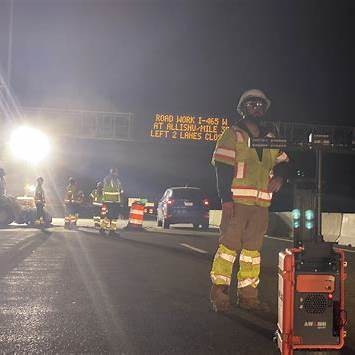
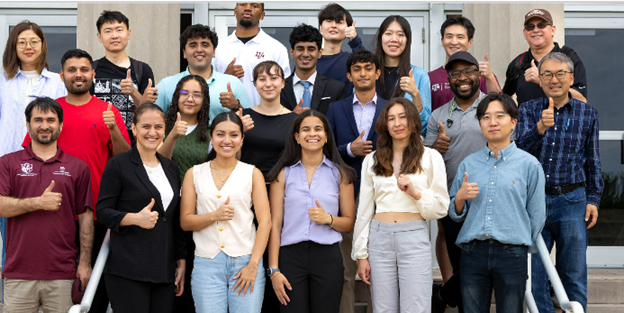
The Safety Innovation Integration Research (SIIR) Lab, led by Dr. Chukwuma Nnaji at Texas A&M University, investigates cutting-edge strategies at the intersection of occupational safety, emerging technologies, and systems integration to build safer work environments.

70+
JOURNAL ARTICLES
70+
CONFERENCE PRESENTATIONS
$13M+
RESEARCH FUNDING
13
ACTIVE LAB MEMBERS
7
LAB ALUMNI
8+
ACTIVE PROJECTS
15+
MAJOR HONORS & AWARDS
TTI
National Science Foundation
CIAC
Department of Transportation
The University of Alabama
Virginia Tech
Department of Defense
National Cooperative Highway Research Program
University of Oregon
Department of Labor
Construction Indusry Insitute
Department of Defebce
ELECTRI International
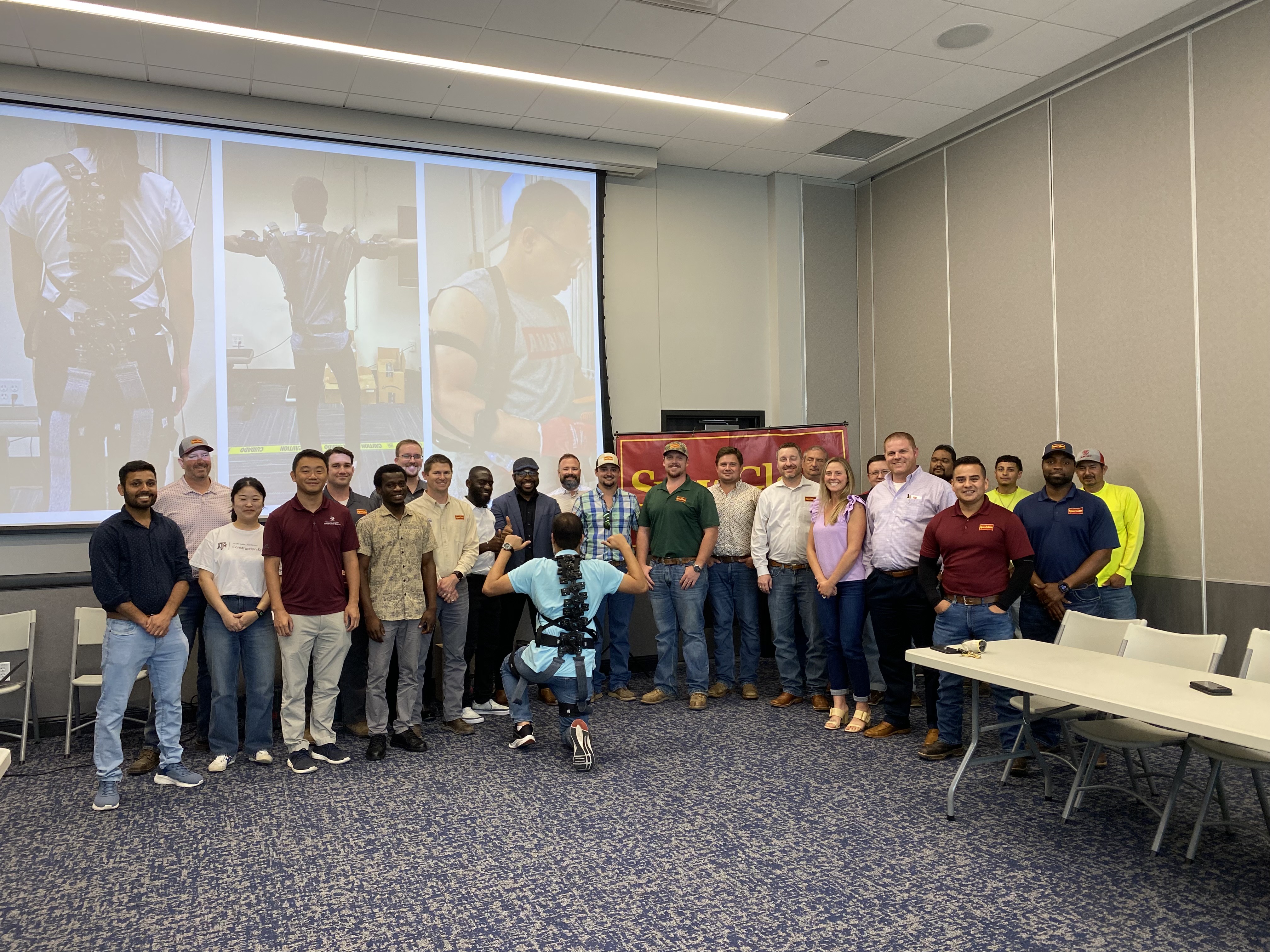
SIIR Lab research environment at Texas A&M University

Advancing Safety Through Research, Technology, and Impact

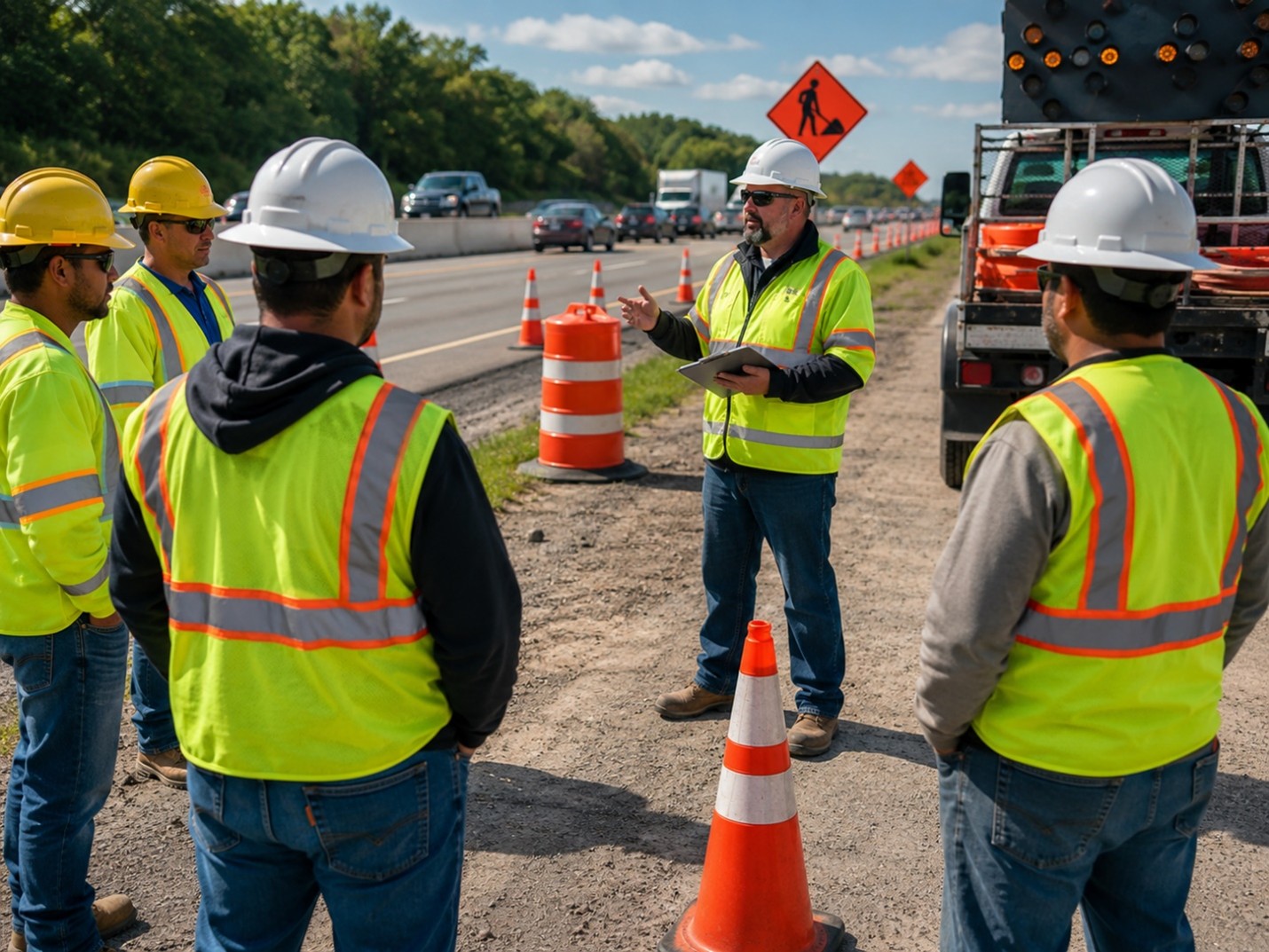
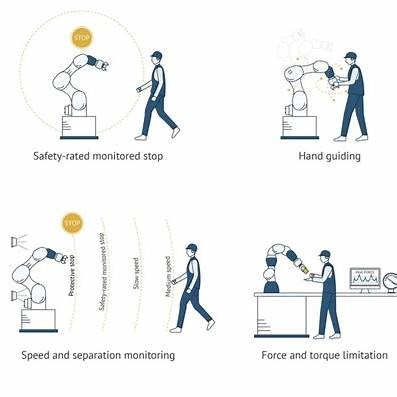
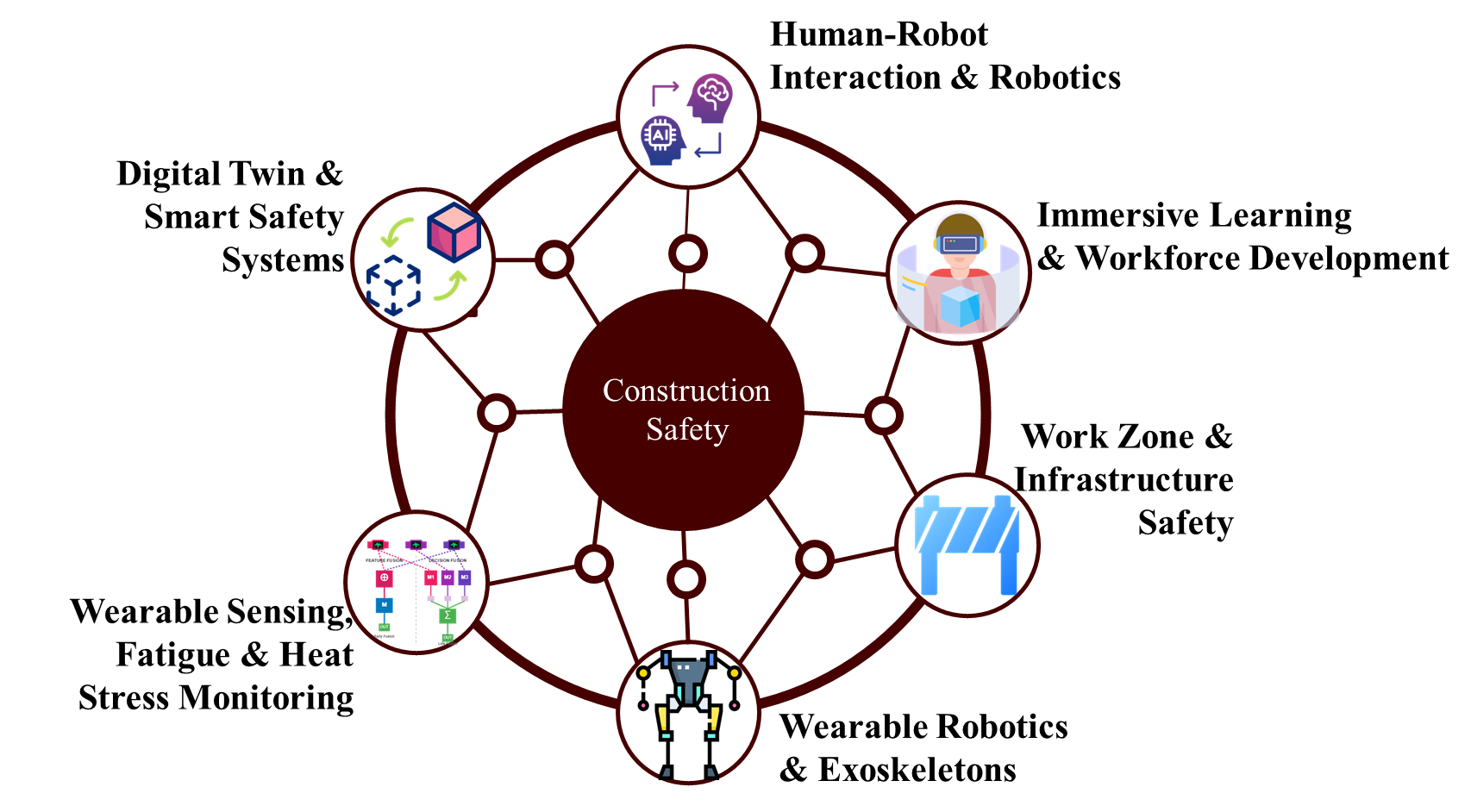
The Safety Innovation Integration Research (SIIR) Lab, led by Dr. Chukwuma Nnaji, advances the science and practice of occupational health and safety across construction, transportation, energy, and infrastructure systems. We develop evidence-based interventions, digital tools, and data-driven frameworks that improve hazard recognition, work zone safety, human-robot interaction, worker wellbeing, and technology adoption in dynamic work environments.

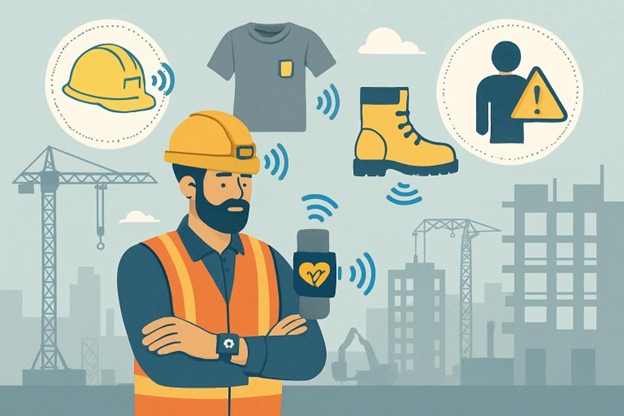
  • Integrating AI, wearable sensing, robotics, and computer vision to detect, predict, and mitigate safety risks.
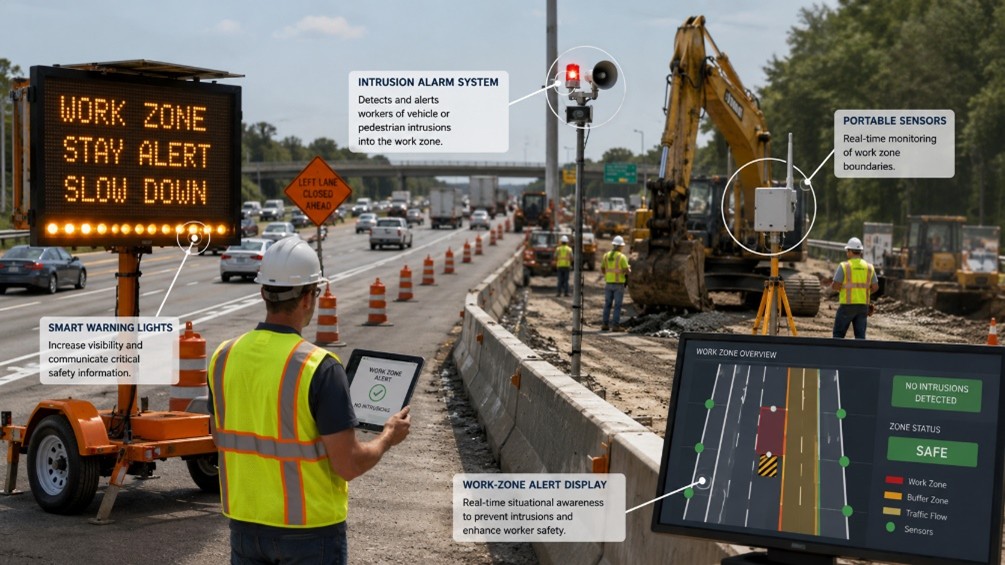
  • Advancing safer work zones, fatigue management, ergonomic risk reduction, and worker situational awareness.
  • Building inclusive safety frameworks that support diverse worker populations, workforce sustainability, and equitable learning environments.
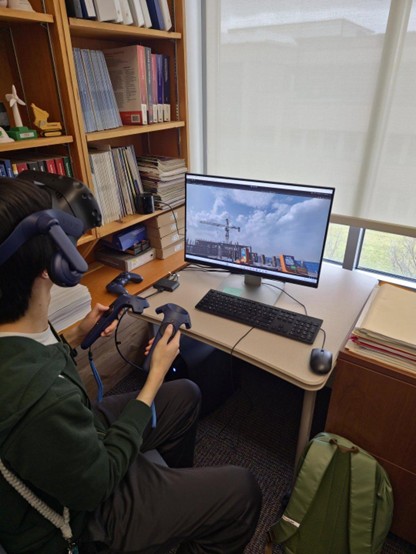
  • Translating rigorous research into practical tools, training systems, and industry-ready solutions through immersive and experiential learning.
See Our Research

Projects

Our research portfolio spans work zone safety, construction safety, wearable robotics, immersive learning, workforce development, and technology-enabled risk mitigation across the built environment.

Current Projects

Ongoing sponsored research, active collaborative studies, and workforce development initiatives.

TANDEM project
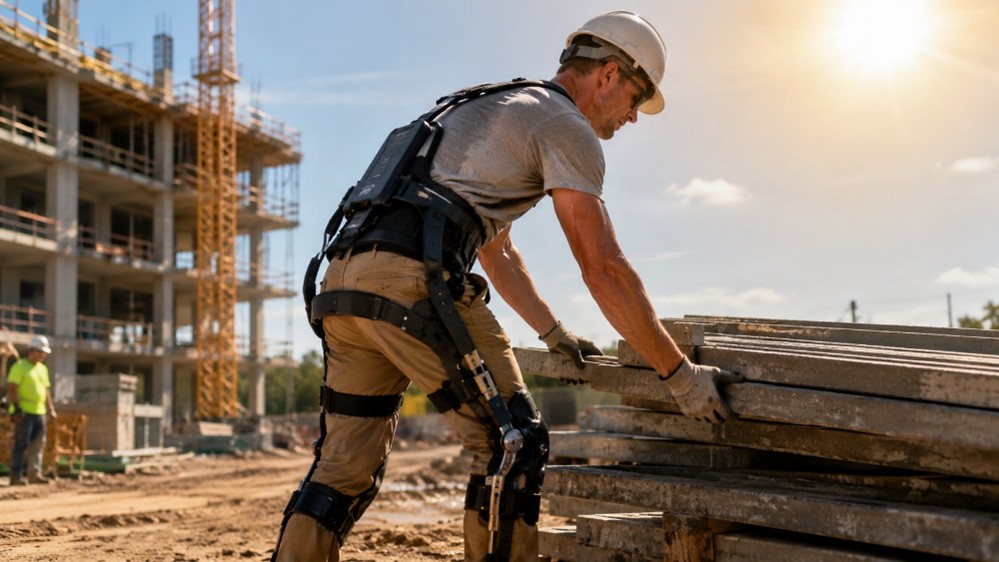
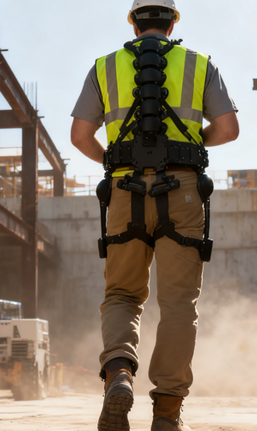
Wearable Robotics

TANDEM: Tensegrity-based Assistive AND Rehabilitation Exosuits to Complement Human BioMechanics

Sponsor: National Science Foundation
Project Period: 2025–2028
Funding: $5,000,000 (TAMU: $850,000)
Role: Co-PI / TAMU PI

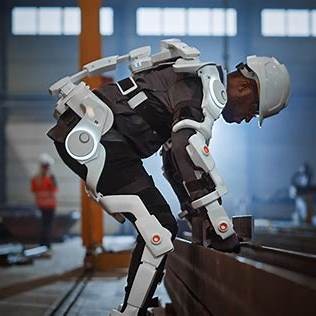
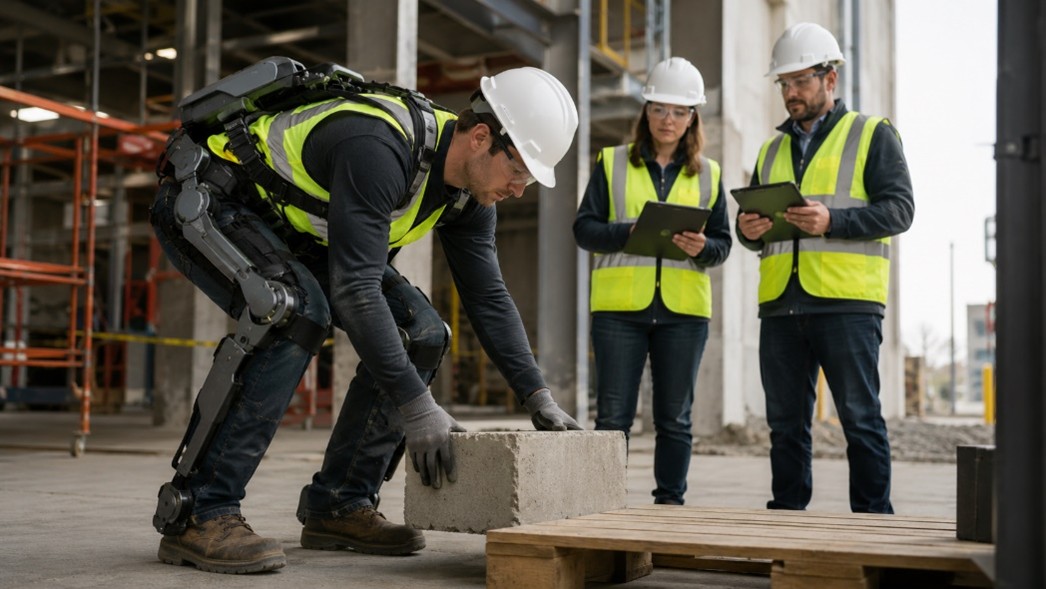
Funded by the National Science Foundation, this multi-institutional project develops tensegrity-based wearable exosuits that support human movement during physically demanding tasks. The work includes a bio-inspired “Second Spine” exosuit designed to reduce physical strain, improve comfort, and lower the risk of musculoskeletal injuries, while Texas A&M focuses on construction safety, worker-centered evaluation, and practical field adoption.
Innovative intersections work zone safety project
Work Zone Safety

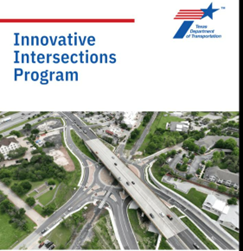
Develop Guidance for Enhancing Work Zone Safety in the Construction of Innovative Intersections

Sponsor: Texas Department of Transportation
Project Period: January 2026–December 2027
Funding: $415,000
Role: Co-PI

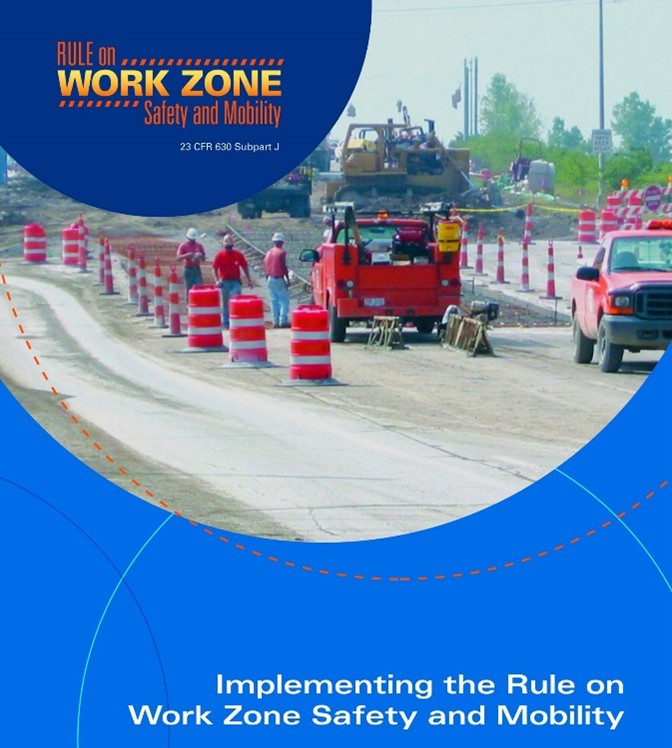
Sponsored by the Texas Department of Transportation, this project develops practical guidance for improving work zone safety during the construction of innovative intersections, including diverging diamond interchanges, median U-turns, and restricted crossing intersections. The research focuses on construction-stage risks, temporary traffic control strategies, and protecting both roadway users and workers.

Cultural competency immersive platform project
AI & Immersive Learning

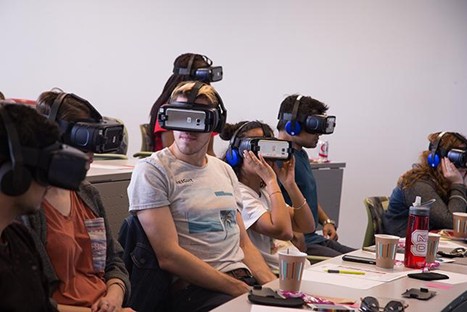
Developing an AI-Driven Immersive Platform to Advance Cultural Competency in Construction Education

Sponsor: Construction Industry Advisory Council (CIAC)
Project Period: January 2025–December 2025
Funding: $30,000
Role: Co-PI

Sponsored by the Construction Industry Advisory Council, this project develops an AI-driven immersive platform to strengthen cultural competency in construction education. The platform uses artificial intelligence and immersive technologies to create interactive training scenarios that improve communication, teamwork, and cultural awareness across diverse construction settings.

Decision support toolkit highway work area safety project
Decision Support

Decision Support Toolkit for Highway Work Area Safety

Sponsor: Federal Highway Administration
Project Period: October 2024–December 2026
Funding: $440,000
Role: PI

Sponsored by the Federal Highway Administration, this project develops a decision support toolkit to improve safety in highway work areas. The toolkit helps transportation agencies and construction teams evaluate work zone risks, identify appropriate safety strategies, and support data-informed decisions during planning and field operations.

Human wearable robot interactions learning environment project
Embodied Learning

Collaborative Research: An Embodied Learning Environment for Advancing Human-Wearable Robot Interactions Skills in Construction Education

Sponsor: National Science Foundation
Project Period: September 2024–August 2027
Funding: $750,000 (TAMU: 146,000)
Role: TAMU PI

Funded by the National Science Foundation, this collaborative project develops an immersive learning environment to prepare construction students to interact effectively with wearable robot technologies. It uses virtual reality, embodied learning, and human-wearable robot interaction concepts to improve understanding of ergonomic risk reduction, muscle fatigue prevention, and safe technology adoption.
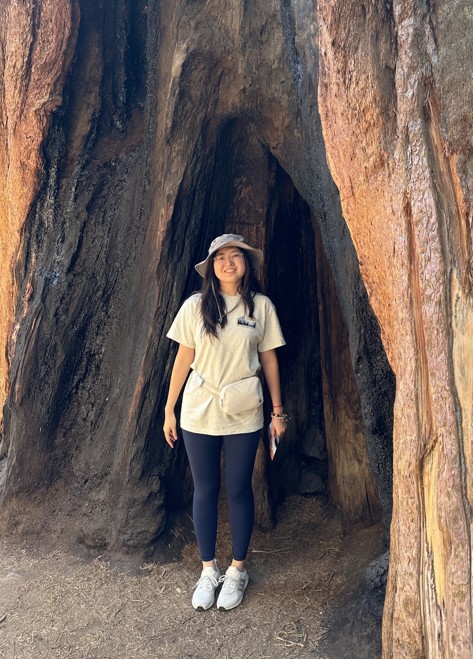
ARTBA Team Work Zone Safety Training Grant Program project
Training & Outreach

ARTBA Team Work Zone Safety Training Grant Program

Sponsor: Federal Highway Administration
Project Period: February 2024–February 2029
Funding: $2,000,000 (TAMU: $320,000)
Role: TAMU PI

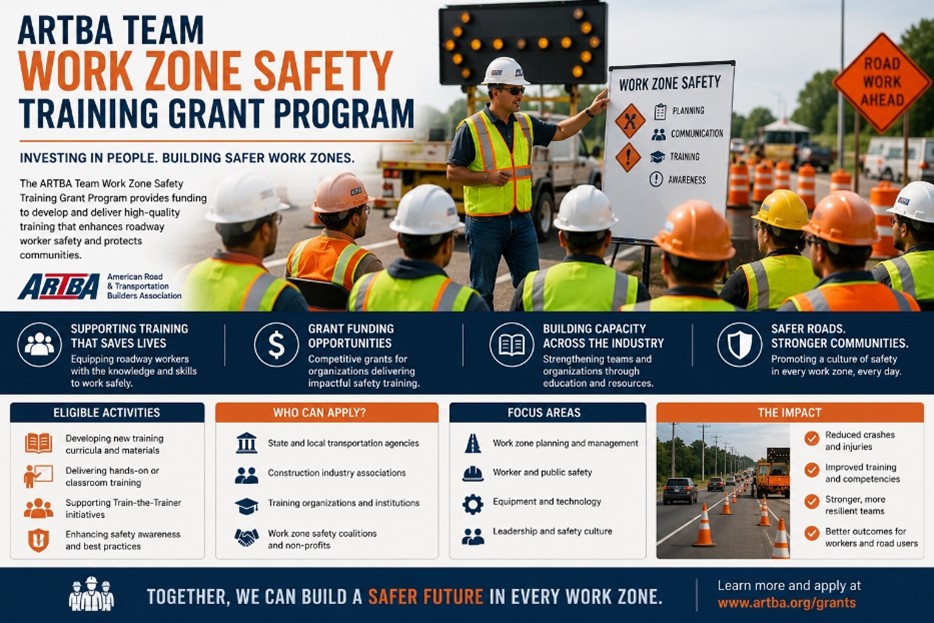
Sponsored by the Federal Highway Administration, this project supports the development and delivery of work zone safety training through the ARTBA Team Work Zone Safety Training Grant Program. The effort advances roadway worker safety through training resources, practical guidance, and outreach for transportation construction professionals.

Reducing adverse driving behaviors in work zones project
Driver Behavior

Reducing Adverse Driving Behaviors in Work Zones: Strategies and Guidelines

Sponsor: National Cooperative Highway Research Program
Project Period: September 2024–September 2027
Funding: $600,000
Role: PI

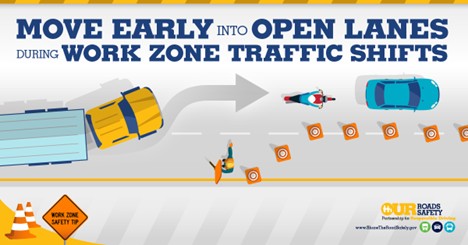
Funded by the National Cooperative Highway Research Program, this project develops strategies and guidelines to reduce unsafe driving behaviors in highway work zones, including speeding, tailgating, distracted driving, aggressive driving, and driver confusion. The work identifies engineering, education, enforcement, and technology-based countermeasures that can improve safety for both workers and motorists.

Work zone intrusion prediction and prevention project
Intrusion Prevention

Guide for Work Zone Intrusion Prediction and Prevention

Sponsor: National Cooperative Highway Research Program
Project Period: May 2024–November 2026
Funding: $600,000
Role: Co-PI

Supported by the National Cooperative Highway Research Program, this project develops guidance to help transportation agencies predict and prevent vehicle intrusions into highway work zones. The research examines intrusion frequency, contributing factors, crash characteristics, and effective mitigation strategies to support safer work zone planning and decision-making.

REU smart and sustainable construction project
Undergraduate Research

REU Site: Smart and Sustainable Construction in the Digital Era

Sponsor: National Science Foundation
Project Period: September 2023–August 2027
Funding: $403,000
Role: Senior Personnel

Funded by the National Science Foundation, this REU Site provides undergraduate students with hands-on summer research experiences in smart and sustainable construction. Students work on emerging topics such as virtual reality, robotics, drones, digital twins, smart materials, machine learning, and artificial intelligence while strengthening the STEM research pipeline.

Data sensing and computational thinking project
STEM Workforce Development

Collaborative Research: Embodied Interactive Environment for Advancing Data Sensing and Computational Thinking Skills in the Built Environment

Sponsor: National Science Foundation
Project Period: May 2023–April 2027
Funding: $1,300,000
Role: TAMU PI; Lead PI for three-university collaborative project

Funded by the National Science Foundation, this project develops an embodied interactive learning environment to strengthen data sensing and computational thinking skills in the built environment. It uses immersive virtual construction scenarios to help students interpret sensing technologies, translate sensor data into computational rules, and apply data-informed decision-making.

Completed Projects

Completed research, training initiatives, and funded studies across construction safety, work zones, robotics, and education.

Roadway worker safety training project
Safety Training

Roadway Worker Safety Training

Sponsor: Department of Labor
Project Period: September 2024–September 2025
Funding: $75,000
Role: PI

Supported by the Department of Labor, this project developed and delivered roadway worker safety training to improve hazard recognition and injury prevention in roadway construction and maintenance environments. The training focused on common work zone hazards, safe work practices, and practical strategies to reduce incidents involving traffic, equipment, and jobsite operations.

Zero Accident Techniques project
Safety Best Practices

A Refresh of CII’s Zero Accident Techniques (ZAT)

Sponsor: Construction Industry Institute
Completion Date: August 2025
Funding: $240,000
Role: Co-PI

Sponsored by the Construction Industry Institute, this project updated CII’s Zero Accident Techniques to reflect current safety practices, industry needs, and emerging approaches to injury prevention. The research identified effective safety practices, assessed implementation patterns, and developed updated guidance for construction companies.

Forecasting absenteeism project
Predictive Analytics

Forecasting Absenteeism in the Electrical Construction Industry Through Predictive Data Analytics

Sponsor: ELECTRI International
Completion Date: July 2025
Funding: $50,000
Role: Co-PI

Sponsored by ELECTRI International, this project used predictive data analytics to forecast absenteeism trends in the electrical construction industry. The work analyzed workforce and project data to identify contributing factors, support proactive employee engagement strategies, and help contractors improve workforce planning and labor productivity.

Completed TANDEM project
Wearable Assistive Systems

TANDEM: Tensegrity-based Assistive AND Rehabilitation Exosuits to Complement Human BioMechanics

Sponsor: National Science Foundation
Completion Date: December 2024
Funding: $650,000
Role: Co-PI

Funded by the National Science Foundation, this project supported the development of bio-inspired tensegrity-based exosuits designed to complement human biomechanics during physically demanding tasks. The system focused on reducing muscular effort, improving comfort, and lowering the risk of work-related musculoskeletal injuries.

On-site autonomous equipment safety project
Autonomous Equipment Safety

On-site Autonomous Equipment Safety

Sponsor: Department of Labor
Completion Date: September 2024
Funding: $75,000
Role: PI

Supported by the Department of Labor, this project improved safety practices for the use of on-site autonomous equipment in construction environments. The work advanced hazard recognition, worker awareness, and safe interaction with autonomous or semi-autonomous equipment on jobsites.

Human exoskeleton systems framework project
Exoskeleton Assessment

Developing and Testing a Framework to Assess Human-Exoskeleton Systems in Construction

Sponsor: Construction Industry Advisory Council
Completion Date: August 2024
Funding: $25,000
Role: PI

Sponsored by the Construction Industry Advisory Council, this project developed and tested a framework for assessing human-exoskeleton systems in construction environments. The research evaluated worker safety, comfort, usability, physical demand, and task performance to support evidence-based technology adoption.

Warfighter musculoskeletal injury prevention project
Fatigue & Injury Prevention

The Prediction and Evaluation of Strength and Fatigue to Prevent Warfighter Musculoskeletal Injuries

Sponsor: Department of Defense
Completion Date: February 2024
Funding: $300,000
Role: Co-PI

Funded by the Department of Defense, this project focused on predicting and evaluating strength and fatigue to help prevent musculoskeletal injuries among warfighters. The research supported assessment approaches that identify physical fatigue, injury risk, and performance limitations during demanding operational tasks.

Intrusion mitigation technologies electric utility work zones project
Utility Work Zones

Investigating the Effectiveness of Intrusion Mitigation Technologies in Electric Utility Work Zones

Sponsor: Electric Power Research Institute
Completion Date: December 2023
Funding: $110,000
Role: PI

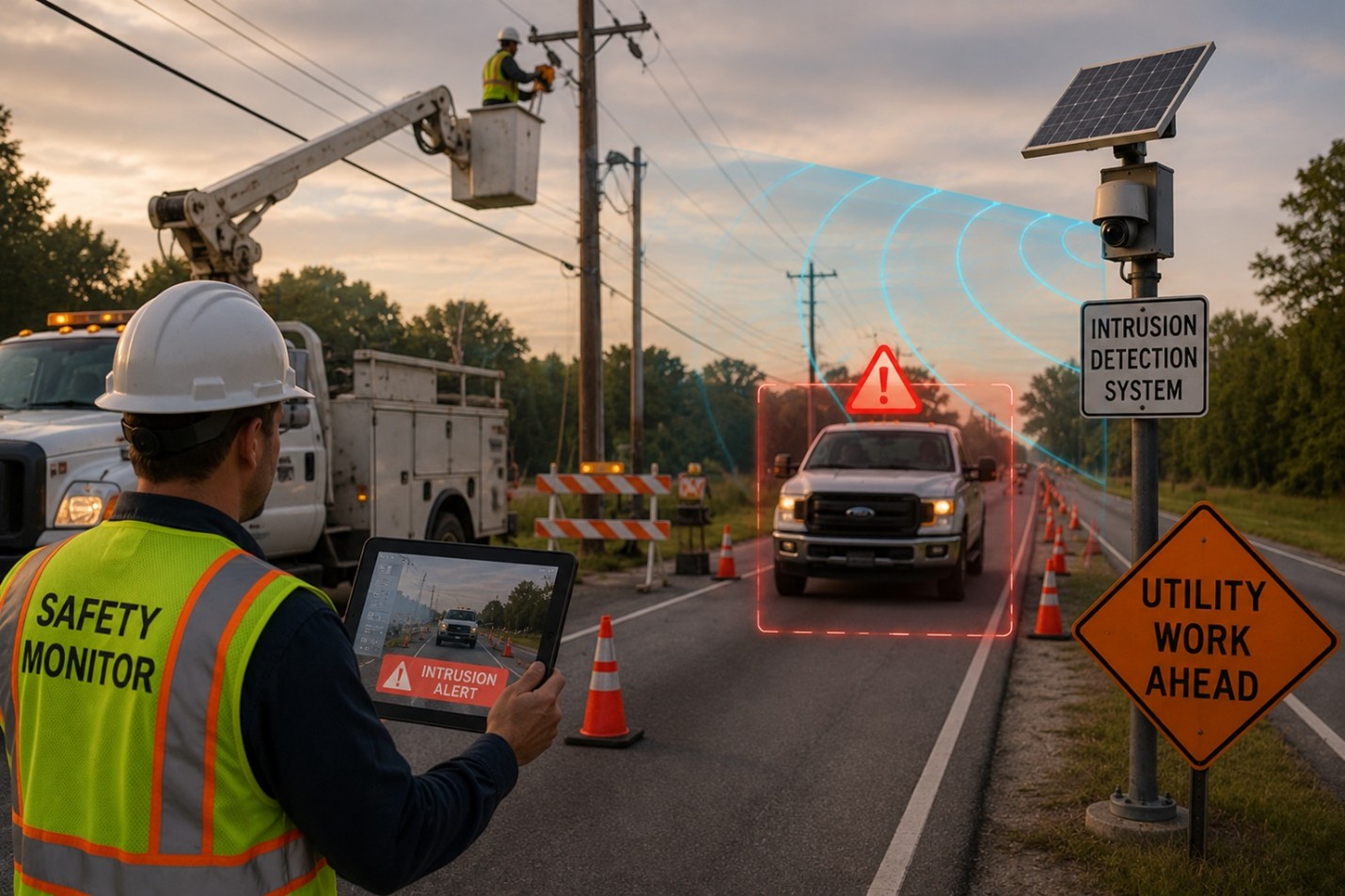
Sponsored by the Electric Power Research Institute, this project evaluated intrusion mitigation technologies designed to improve worker protection in electric utility work zones located along public roadways. The research identified high-risk conditions, assessed available alert technologies, and developed practical recommendations for deployment.

Modular construction safety project
Modular Construction

Modular Construction Safety

Sponsor: Department of Labor
Completion Date: September 2023
Funding: $75,000
Role: PI

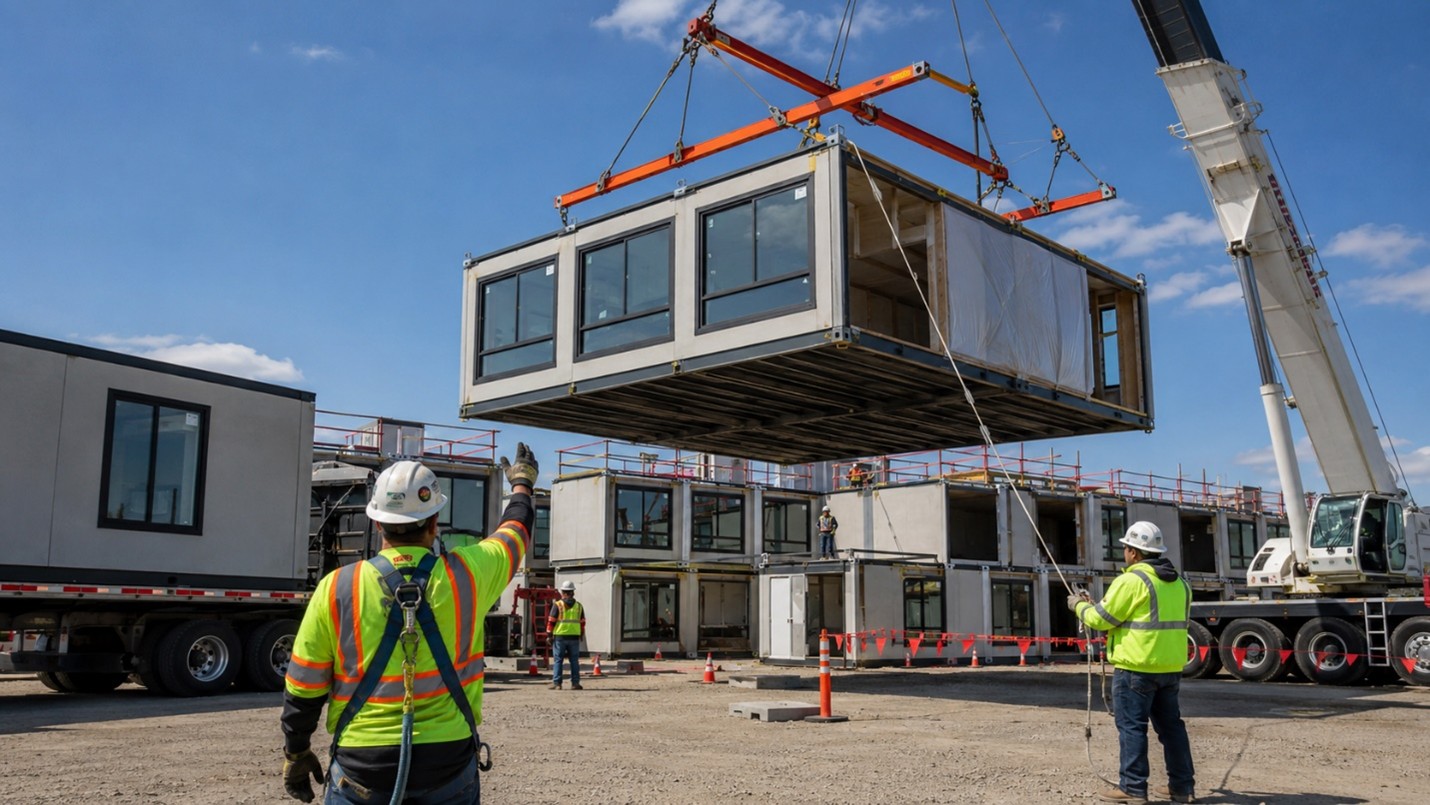
Supported by the Department of Labor, this project developed safety training resources for modular construction workers and employers. The training addressed key risks across manufacturing, transportation, and installation, with emphasis on hazard recognition and injury prevention.

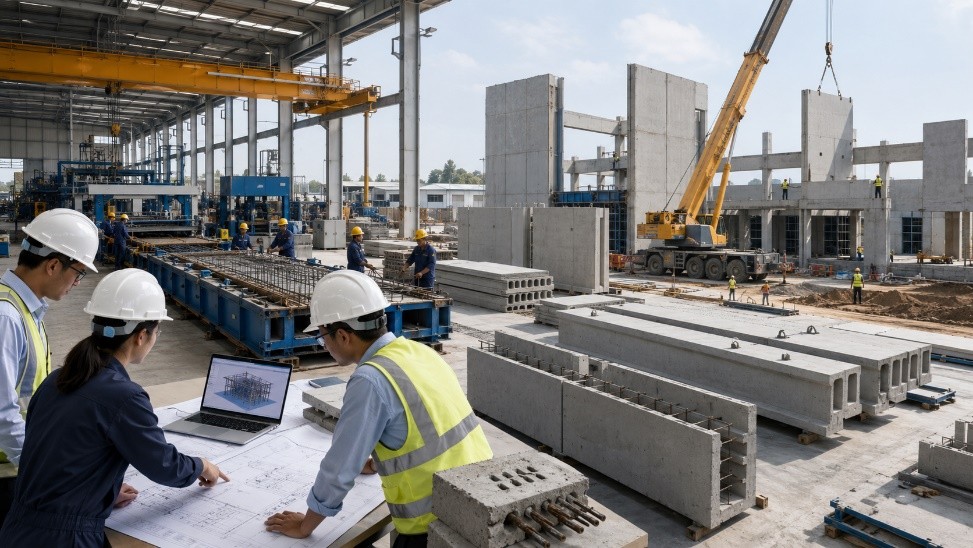
Prefabrication instructional project
Prefabrication Education

The Process of Prefabrication (P2P): An Integrated Instructional Project on Materials, Design, Fabrication, and Erection of Precast/Prestressed Structures

Sponsor: Precast/Prestressed Concrete Institute
Completion Date: December 2022
Funding: $100,000
Role: Co-PI

Sponsored by the Precast/Prestressed Concrete Institute, this project developed integrated instructional materials to improve education on the full prefabrication process for precast and prestressed concrete structures. The work connected materials, structural design, fabrication, transportation, and erection to strengthen workforce readiness.

Exoskeleton and temperature fatigue project
Worker Fatigue

Effect of Exoskeleton and Temperature Level on Construction Worker Fatigue

Sponsor: Deep South Center for Occupational Health and Safety
Completion Date: August 2022
Funding: $20,000 (TAMU: $10,000)
Role: PI

Funded by the Deep South Center for Occupational Health and Safety, this project examined how exoskeleton use and temperature conditions affect construction worker fatigue and physical demand. The research evaluated wearable robotic assistance under room and elevated temperature conditions using physiological and biomechanical measures.

All-weather fill material project
Construction Materials

Assessing the Impact of All-Weather Fill Material on Project Performance

Sponsor: Vulcan Materials Company
Completion Date: August 2022
Funding: $69,000
Role: Co-PI

Sponsored by Vulcan Materials Company, this project assessed the impact of all-weather fill material on construction project performance. The work evaluated how alternative fill materials can support productivity, constructability, schedule reliability, and field performance under challenging weather and ground conditions.

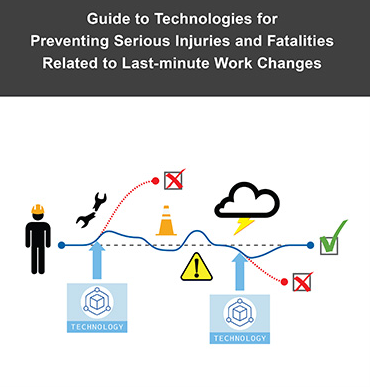
Last-minute work changes technology project
Serious Injury Prevention

Technologies to Prevent Serious Injuries and Fatalities Related to Last-Minute Work Changes

Sponsor: Construction Industry Institute
Completion Date: August 2022
Funding: $220,000
Role: Co-PI

Sponsored by the Construction Industry Institute, this project examined how last-minute work changes contribute to serious injuries and fatalities in construction. The research evaluated sensing, monitoring, communication, visualization, site access and control, automation, and artificial intelligence tools to help prevent or mitigate those risks.
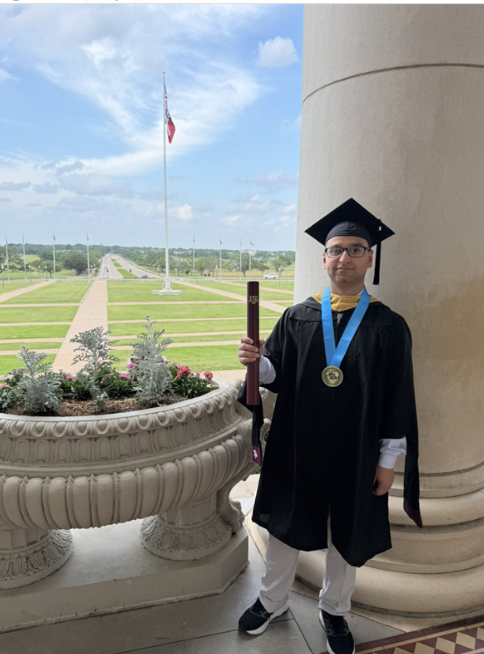
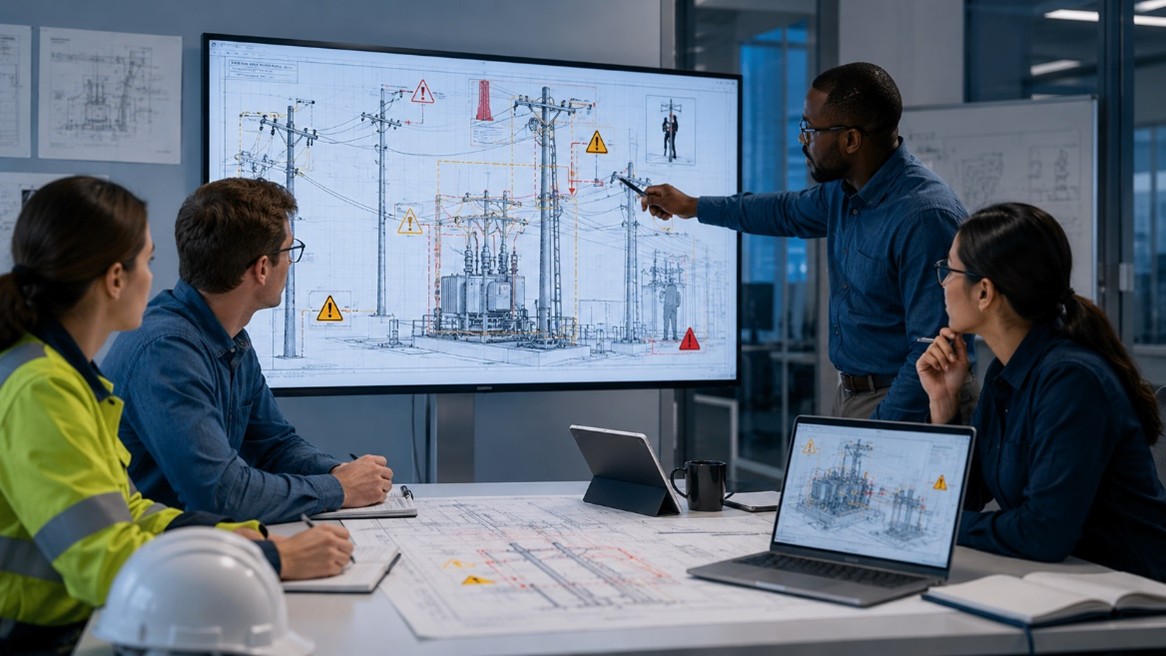
Visual literacy electric utility design hazard recognition project
Safety by Design

Using Visual Literacy to Improve Hazard Recognition in Electric Utility Designs

Sponsor: Electric Power Research Institute
Completion Date: June 2022
Funding: $20,000
Role: Co-PI

Sponsored by the Electric Power Research Institute, this project examined how visual literacy can improve hazard recognition during the design of electric utility assets. The research integrated safety-by-design principles with visual literacy techniques to help designers and engineers identify and address hazards before construction or maintenance begins.

Human robot interaction safety risks project
Human-Robot Interaction

Protocol for Assessing Human-Robot Interaction Safety Risks

Sponsor: Center for Construction Research and Training
Completion Date: September 2021
Funding: $30,000
Role: PI

Sponsored by the Center for Construction Research and Training, this project developed a practical protocol for assessing safety risks associated with human-robot interaction in construction. The work helps practitioners identify and quantify risks when using wearable robots, remote-operated robots, and onsite automated equipment.

Alternative work zone safety technologies project
Work Zone Technology

Alternative Technologies for Mitigating the Risk of Injuries and Deaths in Work Zones

Sponsor: National Cooperative Highway Research Program
Completion Date: August 2021
Funding: $75,000 (TAMU: $9,530)
Role: Co-PI

Funded by the National Cooperative Highway Research Program, this project evaluated alternative technologies for preventing and mitigating vehicle intrusions into highway work zones. The research identified successful intrusion technologies, assessed implementation considerations, and developed guidance to help agencies select appropriate safety solutions.

IoT construction safety management project
IoT & Safety Management

Enhancing the Application of Internet of Things (IoT) in Construction Safety Management

Sponsor: The University of Alabama RGC Small Grant
Completion Date: March 2021
Funding: $6,000
Role: PI

Supported by The University of Alabama RGC Small Grant, this project explored how Internet of Things technologies can improve construction safety management. The work focused on connected sensors, wearable devices, and real-time data collection to support hazard monitoring, worker safety, and proactive safety decision-making.

REU Program

The SIIR Lab participates in the Research Experiences for Undergraduates (REU) program organized by the Department of Construction Science at Texas A&M University. Undergraduate students work alongside PhD mentors on cutting-edge safety research, gaining hands-on experience in data collection, analysis, and academic writing — and presenting at national conferences.

Arnia Goode receiving Best Undergraduate Poster Award – CSCE 2026
2025 Cohort
REU 2025

🏆 Best Undergraduate Poster Award

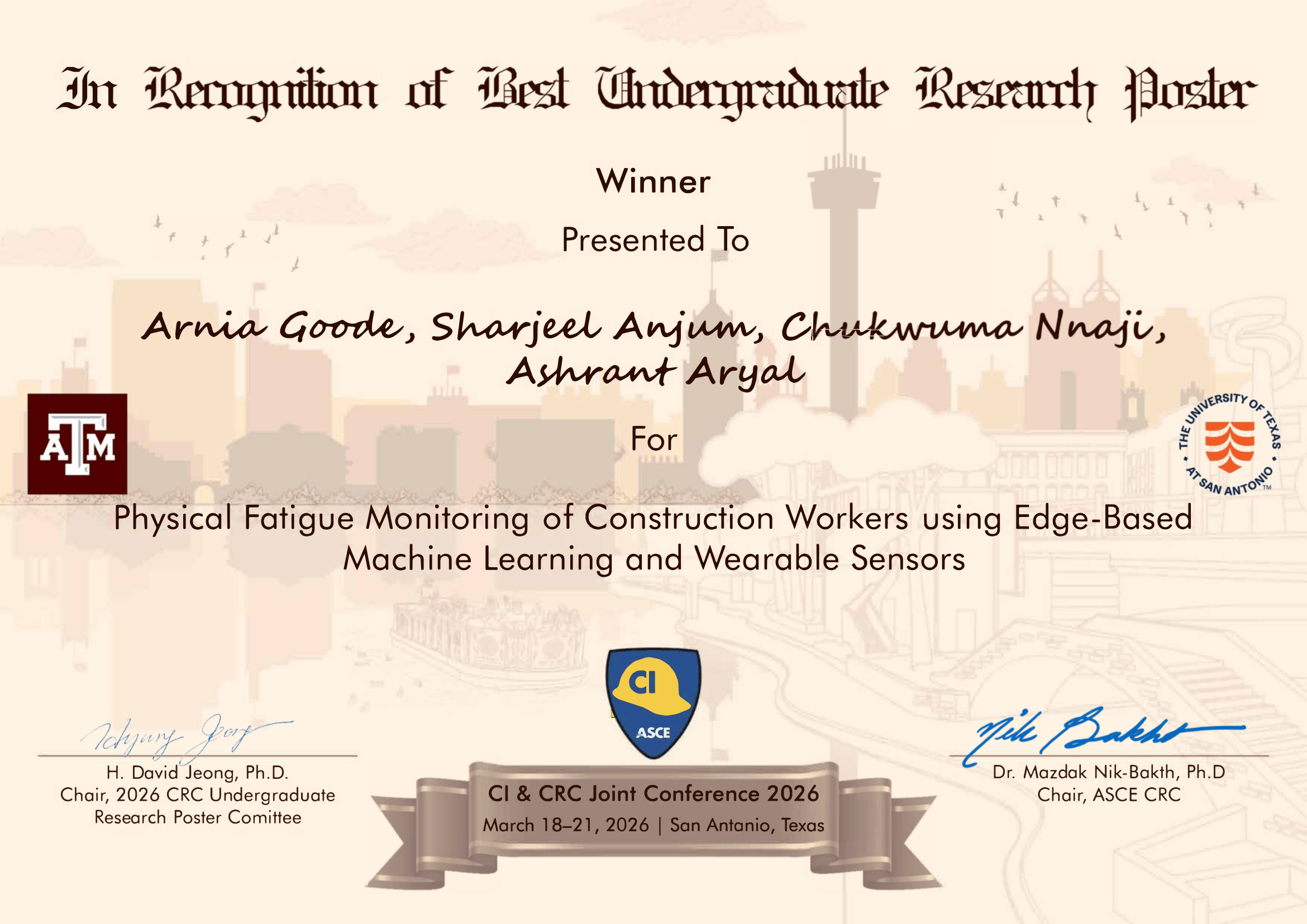
In 2025, Arnia Goode participated in the REU program under the mentorship of Sharjeel Anjum (PhD student, SIIR Lab). Their collaborative research was presented at the prestigious CRC Conference 2026 in San-Antonio, Texas, where Arnia's poster earned the Best Undergraduate Poster Award.

This recognition highlights the exceptional quality of undergraduate research fostered through the SIIR Lab's mentorship model.

🏆 Best Poster Award CRC 2026 · San-Antonio Mentor: Sharjeel Anjum
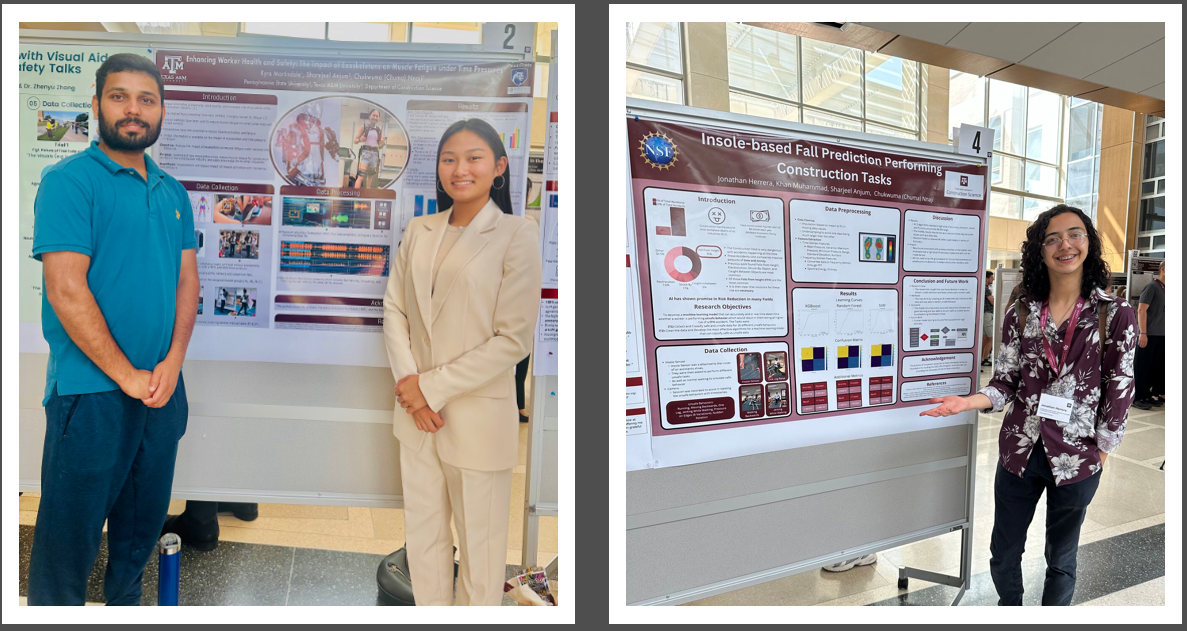
Kyra Martindale REU student 2024 CSCE Conference Canada Texas A&M
2024 Cohort
REU 2024

Two Students, Two Mentors

The 2024 cohort featured two undergraduate researchers embedded in SIIR Lab projects, each paired with a dedicated PhD mentor from the lab:

  • 👨‍🎓
    Jonathan Herrera
    Mentored by Muhammad Khan (PhD Student)
  • 👩‍🎓
    Kyra Martindale
    Mentored by Sharjeel Anjum (PhD Student)

Both students contributed to active SIIR Lab research projects under the Construction Science REU program at Texas A&M University.

TAMU Construction Science 2 Students · 2 Mentors
Interested in REU? Contact Us

People

Dr. Chukwuma Nnaji – Director, SIIR Lab
Lab Director & Principal Investigator

Dr. Chukwuma Nnaji

Associate Professor · Construction Science
Texas A&M University

Dr. Chukwuma “Chuma” Nnaji is an Associate Professor in the Department of Construction Science at Texas A&M University, Associate Research Scientist at the Texas A&M Transportation Institute, and Coordinator of CoSci Research and Innovation. His research focuses on construction safety, human factors, wearable sensing, exoskeletons, human-robot interaction, work-zone safety, and the responsible adoption of emerging technologies to improve worker wellbeing and project performance.


Dr. Nnaji has built a nationally recognized research program with more than 70 refereed journal articles, over 3,000 Google Scholar citations, and more than $13 million in externally funded research, demonstrating sustained impact and leadership in the field. His work has been supported by organizations including the National Science Foundation, Federal Highway Administration, Department of Labor, NCHRP, EPRI, and CPWR, and he actively mentors graduate and undergraduate researchers while advancing education, workforce development, and safety innovation in construction.

Research Team

Post-Doctoral Researcher

Rahat Hussain
Rahat Hussain, Ph.D.
Post Doctorate
Construction Safety, Training and Education, STEM, AI-Enhanced Content delivery, HRI

PhD Students

Muhammad Khan
Muhammad Khan
PhD Candidate
Research focuses on Wearable Robotics & Human-Robot Interaction, Fatigue, Heat Stress & Biomechanics, AI, Digital Twins & Immersive Training, Work Zone, Highway & Extraterrestrial Safety \
Sharjeel Anjum
Sharjeel Anjum
PhD Student
Physiological Machine Learning for Fatigue Monitoring, Construction Automation and Safety, Computer Vision, Virtual Reality (VR), Adversarial Machine Learning, and Applied AI
Jia Xu
Jia Xu
PhD Student
Human-robot Collaboration in Construction, Construction Safety
Nana Kwabena Asamoah Antwi
Nana Kwabena Asamoah Antwi (Co-advised by Dr. Gilles Albeaino)
PhD Student
Human-robot Collaboration in Construction, Nighttime Construction Safety
Md Fahim Hasan Rezve
Md Fahim Hasan Rezve (Co-advised by Dr. Yewande Abraham)
PhD Student
VR based computational thinking in construction, VR based construction safety education
Md Nayeem Hoque
Md Nayeem Hoque
Phd Student
Work Zone Safety, Crash Analysis, and Decision Support Systems
Samuel Olatunbosun
Samuel Olatunbosun (Co-advised by Dr. Xi Wang)
PhD Student
Safety in Human-robot Collaboration in Construction
Prosper Gbiengu
Prosper Gbiengu
PhD Student
Construction safety, Workforce sustainability, Human factor research
Heba ALKailani
Heba ALKailani (Co-advised by Dr. Minerva Bonilla)
PhD Student
Highway Infrastructure Safety, Work Zone Safety, and Construction Workforce development

Masters Students

Muhammad Talha Nadeem
Master Student
Drone Workers' Safety, Construction Workers Hazard Recognition Ability
Umme Sabiha Onnesha
Umme Sabiha Onnesha
Master Student
Drone Workers' Safety, Work Zone Safety
K. B. M. Ibrahim
K. B. M. Ibrahim
Master Student
Traffic Safety, Crash Data Analysis, Work Zone Safety

Undergraduate Students

Arnia Good
Arnia Goode
REU Student
Machine learning for real-time fatigue monitoring on edge devices.

Alumni

Kaushik Bhattacharjee
Kaushik Bhattacharjee, Ph.D.
Post Doctorate
Work Zone Safety, Temporary Traffic Control, Intrusion, Adverse Driving Behavior, Workers' Training
Seoyoung Cheon
Seoyoung Cheon
Graduated with Master Degree in 2025
VR, Worker Safety, Human–Robot Interaction, Construction Workers Hazard Recognition
Abdullahi Ibrahim
Abdullahi Ibrahim, Ph.D.
Graduated with Ph.D. Degree in 2024
Construction Safety, Risk Perception, Hazard Recognition Safety, Risk Assessment, Fatigue

Lab News

Apr
17
2026
Award

🏆 Scholarly Activities & Research Recognition (2026)

Awarded to Dr. Chukwuma Nnaji for outstanding contributions to research and academic scholarship.

Apr
17
2026
Award

🏆 Outstanding Ph.D. Student Teaching Award (2026)

Awarded to Muhammad Khan for excellence in teaching and commitment to student learning.

Apr
17
2026
Award

🏆 Outstanding Ph.D. Student Research Award (2026)

Awarded to Sharjeel Anjum for impactful and innovative research contributions.

Jan
01
2026
Fellowship

Sharjeel Anjum Awarded Hagler Fellowship

Sharjeel Anjum has been awarded a prestigious Hagler Fellowship to complete his Ph.D. dissertation on physiological machine learning for worker monitoring.

Mar
17
2025
REU Program

Arnia Goode Wins Best Undergraduate Poster Award at CSCE 2025

SIIR Lab REU student Arnia Goode, mentored by PhD student Sharjeel Anjum, was awarded Best Undergraduate Poster at the CSCE Construction Specialty & CRC Conference 2025 in Canada.

Awards 2026
🏆 Award Winners

2026 Awards

Lab's Director with Awarded Students

Contact Us

We welcome inquiries from prospective graduate students, industry partners, and fellow researchers. Please reach out to learn more about our ongoing projects, collaboration opportunities, or the REU program.

📍
SIIR Lab – Texas A&M UniversityCollege Station, TX 77843
safetylab@tamu.eduLab Director – Dr. Chukwuma Nnaji
🌐
siir-lab.github.ioOfficial lab website